



Tortoise Tracking with Nosework


The techniques in Leerburg's The Foundation of Nosework DVD was used in this video by Vicki Hudson, an Ecological Coordinator for CapeNature located in South Africa. Vicki has been using nosework to find Geometric tortoises, a species known for hiding in shrubs and bushes.
The following is a summary of a project proposal on detecting Geometric tortoises from Vicki:
Geometric tortoise surveys have been conducted for an extended period on Voelvlei Nature Reserve. Due to the fact that the tortoises hide away under shrubs, bushes or in burrows there is a perception that the current human conducted surveys are underestimating the population size. Evidence to support this was obtained during the recent fire in the area.
In order to be able to manage the population of this endangered species better and understand the impact that potential threats are having on the geometric tortoises it is key that the surveying techniques are improved. The more accurate the surveying technique, the better the data obtained (i.e. population size, biological characteristics, habitat selection) to inform management decisions for this priority species.
The concept of using dogs to assist with the geometric tortoise surveys has been proposed. The theoretical investigation into this has shown that this survey method can improve the quality and quantity of surveying data by increasing the detection rate of the biological target, decreasing the time and manpower required to conduct surveys and increasing the variation in size/age classes of the biological targets detected.
The project aim is to successfully implement this concept as outlined below.
Pilot study to investigate the use of conservation detection dogs to assist with geometric tortoise (Psammobates geometricus) surveys.
Progress Report March 2012 - October 2012
Following on from the completion of the theoretical investigation and submission of a pilot project proposal at the end of February 2012, progress to date is as follows:
- Source of suitable dog/s. 3 dogs were proposed for use in the project. After looking into the field conditions one of the proposed dogs would not cope physically on a long term basis due to advanced age hence it was not worthwhile investing in this dog. However she was used to trial the training system, target and venue, see if it is actually possible to imprint geometric tortoise scent and practice small scale search strategies. One of the handlers did not manage to find the time to do sufficient training with the second dog to commit to the project. The remaining dog belonging to the manager at Elandsberg has not maintained the initial focus shown in detection tortoises and it not currently in any sort of detection training or use. It does not show the drives needed for this work. After networking about the project in sport dog circles in South Africa the opportunity arose to acquire a suitable privately owned puppy for the use in the program. The training of this dog has gone very well and it is thus possible to report there is now a suitable dog with basic detection training in place to use in this pilot project.
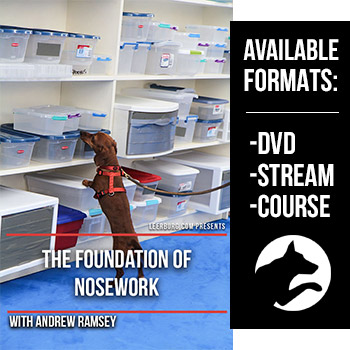
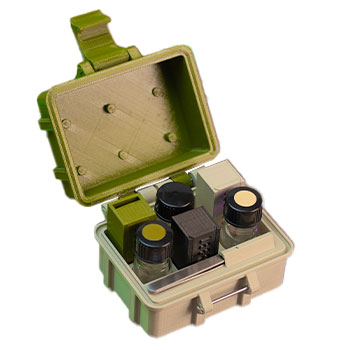
- Source suitable detection training system. Various training methodologies were researched. Training DVDs by detection specialist Andrew Ramsey were purchased from USA. A nose work kit as used in DVD was also purchased from the USA to teach the young dog the game of detection. This was carried out very successfully and she has learnt and improved her detection skills incredibly. She has a very strong search drive and solid passive alert and is ready to go onto the next phase which will be the imprinting of a second odour in the form of a live target "geometric tortoise".
- Trial and experiment methodology with live target to see if it will be suitable to implement as a training system for this work and test if it is possible to imprint the geometric tortoise scent on a dog and conduct a search.
The training system as depicted in the training DVDs was carried out to gain expertise in training detection. This was done successfully on the experimental dog. It was possible to imprint the geometric tortoise scent and progress to conducting sample transect and block searches with the dog. Adaptations were made to the training method w.r.t focused alert and search pattern to make it suitable for live target conservation detection work.
- Test training conditions and suitability at venue (Elandsberg). In order to make the training work, it is essential to have live specimens readily available to train on. Due to the cryptic nature of these tortoises, it is not productive to first have to find a tortoise and then begin training. With the trial training carried out during the winter months at Elandsberg the most workable system was as follows: the Elandsberg nature conservator would find a tortoise/s in the morning between 8:30 and 10. Training would then being at 10. Three training sessions were held during the day with rest periods in between. The tortoise/s was then returned to the camp at the end of the day. It is preferable to work on more than one tortoise at each training day. Different tortoises were used at each training day. Training took place in an old hangar or in the field when the hangar was in use. This arrangement was adequate although could be improved.
- Cement support structure. (networking & building relationships). Unfortunately two of the contacts which gave initial input to the project require funding in order to continue to give advice to the program (Louise Wilson Conservation Dogs UK and Mary Cablk, DRI Reno USA). Rox Brummer from Green Dogs affiliated to EWT and Alice Whitelaw from Working Dogs from Conservation (WDfC) continue to provide support and insight to the project when their time allows (for free!) and this is very much appreciated. Video footage from each training day is taken where possible to circulate for comment and to document progress. A workshop given my Megan Parker from WDfC at EWT in Johannesburg in September 2012 was attended and this was an invaluable opportunity. CapeNature funded the trip which proved to be an extremely worthwhile networking and information gathering session.
Summary of deliverable achieved to date
- Suitable detection training system identified and put into practice.
- Suitable dog source for pilot project.
- Basic detection training done on suitable dog.
- Ability to imprint geometric tortoise scent on a dog accomplished.
- Short experimental trial transects and block searches carried out.
- National and international support structure established for the project.
Next phase of project
- Imprint geometric tortoise scent on young detection dog.
- Carry out trial transect and block search training.
- Estimated time period to accomplish above: 6 months.
- Explore funding opportunities.
Final phase
- Conduct blind in field surveys and have dog at a standard where it is able to be utilised in population surveys and related work i.e. search and rescue.
- Continue with maintenance training.
Planning
Due to prior commitments and the festive season, it is planned that the next phase of the project (geometric tortoise imprinting) will take place during the January 2012. This month has now been blocked off to carry out this work and the manager at Elandsberg has confirmed that this arrangement at that time will also work for them. Elandsberg are able to provide suitable accommodation with training area for the dog and handler for the month as well as assistance with sourcing live targets (geometric tortoises) to train on in rotation.
Final expenditure to date
Approximate costs are documented below as it could be a useful future reference e.g. working out feasibility, recruiting additional K9 handler teams, contributions by various parties, sponsorship etc.
Travelling expenses to date carried by CapeNature (directly related to the project)
- Trips to Elandsberg x 8 (Feb to March) - R4275-20.
- WDfC workshop costs - R3300-00.
- Tortoise training material (swabs, holders) - R300-00
Person days carried by CapeNature (directly related to project)
- Approximately 6 person days per month on average spent on project = 48 days.
K9 Handler direct costs
- Training DVDs - R1500-00
- Nose work kit - R500-00
Costs which must be covered by the K9 handler (indirectly related to the project but over and above normal pet requirements.)
- Purchase* & maintenance of detection dog.
- Equipment** for dog: training and husbandry.
- Parasite control.
- Health insurance for dog.
- First aid kit for dog including snake kit if possible.
- Video camera.
- Handler vest/carrier.
**a trained detection dog can be valued at approximately R20,000-00 to 30,000-00. A puppy/untrained dog from proven working lines can be valued between R5000-00 and R11000-00.
*should include: suitable crates, ID vest, collar/harness, leash, cool vest, toys, remote trainer, high quality food, supplements.


Most Popular Articles
-
01
-
02
-
03
-
04
-
05
Related Products
-
$65.00$29.99 -
.jpg) $59.99
$59.99 -
 $95.00
 -
 $14.00


Ask Leerburg.