


Choose how you want to learn!


*To receive instant streaming access, you must be logged in with your Leerburg account during checkout.


Key Features
- 1 hour, 55 minutes long
- Released 2002
- Instructor: Ed Frawley
- Also available as a self-study online course! CLICK HERE to sign up!
Product Description
I went to my first Schutzhund seminar in October 1974. I was instantly hooked on protection dog training. During the next 10 years I went to every seminar I could find in this country on training protection dogs, Schutzhund dogs, and police service dogs.
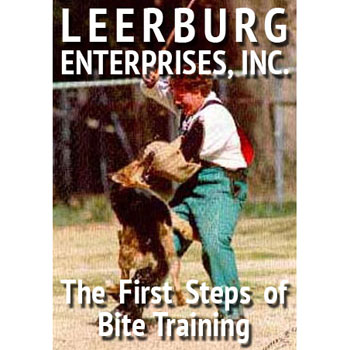
In 1983 I produced my first bite training video titled "Protection Training the Beginning with Bernhard Mannel." In the 13 years that followed I learned so much more about protection training that I was forced to update that old video and pass this new information on to my customers. This is being done through this new training tape "The First Steps of Bite Training."
Protection training is extremely complex if done properly. If the foundation for protection work is not 100% correct it is only a matter of time before a dog and handler run into problems. From the beginning, my goal for this video was to explain the protection training process in a way that even a person with very little dog training experience could understand. I have accomplished my goal with this tape.
In the video I explain the drives of protection training in detail. We see how these drives are effected by the dogs nerves. You will learn how to identify individual drive thresholds on your dog and then how to use that information to develop a step by step training program tailored for a young dog. Because each dog has different drive levels and every dog has different nerve levels, we cannot train any 2 dogs the same way. This tape helps the viewer identify the needs of his dog and then develop a program tailored to that dog.
In protection training it is always best to use a helper, unfortunately many people don't have access to good helpers. This tape details exactly what a handler can do with his own dog in protection training. It also defines the exact spot in training where the handler must quit the work and go to a helper. So the video answers the question "How much can I do to train my own dog in bite work?"
It's always best to train young dogs by using the old experienced helpers, although that's not always possible. This tape is designed to train a new helper on how to work young dogs.
This tape is 2 full hours of great information (not 50 minutes like our competitors videos). You get twice as much for your money. I wish I had a video like this 20 years ago when I first got involved with this work. I can think of a number of great dogs that I have owned over the years that would have benefited from this training.
For the past 8 or 9 years I have wanted to redo “Protection Training the Beginning”. When I look at my old outlines from 5 years ago, I shake my head. This video has a number of important training steps that were not on those 5 year old outlines. I honestly believe that this is the best training video on the market to teach people how to train a dog in "bite development".
Topics Covered
- Drives and Drive thresholds
- How nerves effect drive thresholds
- How to organize a training session
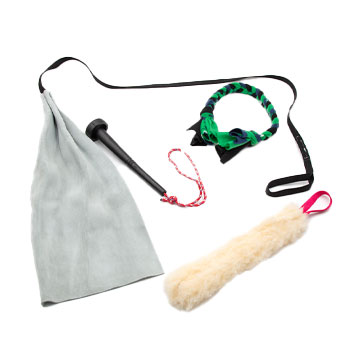
- Equipment and German Commands for training
- The role of the Handler in bite work
- The role of the helper in protection training
- Setting the Prey Drive in young dogs
- The first bite on a sleeve
- Developing a calm firm grip
- Recognizing and training the COUNTER
- Contesting the Prey
- Training the carry
- Taking PREY away from the dog with the OUT
- Teach the dog to pursue and target his bite off leash
- Set up a sample training session using the basic skills we have learned
- What can be done with dogs that lack prey drive


Have you used this product?
Your review helps others choose the right products for their dogs. Let them know what you think!
Write a Review
At the end of the video you said that you hope that the video is worth the money the viewer has paid for it. Let me tell you that the knowledge you give to the viewer can not be paid anyhow. Learning,progressing and finally being able to give your dog a good training and education and with that more fun and meaning to your and your dogs life is something you can not pay with money. If someone takes action trying to make these things possible for you and your dog you only can pay him with appreciation and respect! I hope I could explain to you what I mean in my poor English.
Thank you and all the best to you and your team!


Related Courses



New Online Courses