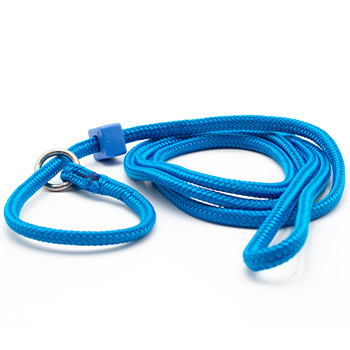

This leash is 10 feet long by 3/4 inch wide. The soft grip leashes are made from a synthetic immitation leather material. It has the same durability as leather, but is much stronger. The snaps on this dog leashes are made from the highest quality Italian bronze. These snaps are sewn and then pop riveted to insure the highest security available. This is very important in Schutzhund and police protection training where a broken leash can cause disaster.
Pogo Plush toys are simply irresistible! The patent pending design provides a unique bounce-back action that dogs prefer over traditional stuffed plush toys. Stuffing free, so there's no mess if your dog likes to destroy plush toys! Built with inner bouncy frames and free-floating squeakers that will give your dog hours of fun.
Love is the newest addition to Honest Kitchen's line of grain-free dog foods. It’s complete and balanced made with dehydrated hormone-free beef, vegetables, fruits and love. It’s ideal for puppies and active adult dogs, particularly those with food sensitivities to grains, gluten, eggs and those who need a low carbohydrate diet. Like all of our diets, Love is 100% human-grade, made in the USA, and does not contain corn, soy, rice, beet pulp or wheat. Just add water for a fresh, wholesome and human grade meal.
There is a lot of talk in the dog world these days about ALL-NATURAL DIETS (AN). The purpose of this article is to explain what these diets are and the reasons why I feel everyone should consider feeding their dog a natural diet.
There is little doubt that the Police style leather muzzle is the finest muzzle money can buy. The police style muzzle offers the security and the best air flow of any muzzle on the market for a leather muzzle.
We sell these collars in 1 inch increments, from 8 inches up to 28 inches in size.
Measure the dog's neck just under the jaw and right behind the ears. Use a string or cloth tape measure. The string should be VERY SNUG. It should be as tight a measurement as you can get it. It is VERY IMPORTANT that you have the tightest possible measurement located at the top of the neck directly below the jaw line. Order a collar that is the exact length of that measurement.
If you have measured your dogs neck properly and your dogs neck size is in between two sizes, then order a collar that is the next size smaller. For example if your string size is 13 1/2 inches then order a 13 inch dominant dog collar. (The hardware is smaller on the dominant dog collars that are 8 - 12 inches. The hardware is larger on the collars that are 13 inches and larger.) If you are questioning your measurement, please call us first and we will talk you through the process.
For example, if the string that goes around your dogs neck is 14 inches then you order a 14 inch dominant dog collar. DO NOT ADD INCHES FOR SLACK! The slack is already accounted for because of the hardware used on the collar.
It is SO VERY IMPORTANT to get a tight, snug measurement. There should be no extra room at all between the dogs neck and the tape measure or string.
When these collars are properly fit they will stay in place and not slip down the neck. If you start add inches to the string you will get a collar that is the wrong size. It will not stay in place and not be as effective for training.
This collar is not intended to give a painful correction.
It's intended to take the air away from a dominant aggressive dog.
More dogs are put to sleep everyday for aggression problems than.
Killing a dog must ALWAYS be the last resort. Learning how to use a dominant dog collar can and will often make the difference between having a dog put down or ending up as a pack leader and a dog the you can live with.
This collar was designed to be used on handler aggressive or dog aggressive dogs. Using a prong collar on these kinds of dogs often over stimulates the dog and makes them hectic and more aggressive. Using a dominant dog collar correctly (with emphasis on correctly) on the same dog takes drive and fight out of the dog.
I assume that people who use this collar for handler aggression have run their dog through our pack structure program I outline in my DVDs.
Some countries (IE Australia, and a few in Europe etc.) do not allow remote collars (electric collars) because animal activists who have no experience training dominant dogs have taken control of their legal system. These dominant dog collars are a viable alternative.
Scroll down to get some ideas on how to use a dominant dog collar.
Photo Examples of Proper Fitting
This photo shows the correct fit of a Leerburg Dominant Dog Collar™. It also shows how to put it around your dogs neck, hooking the clasp to the "free" o-ring. Notice that the collar is snug up under the jaw and not hanging loose.
The photo to the right is an example of a dominant dog collar that is not fit properly. It has too much slack and will not stay in the correct place on the dogs neck - which is right up under the jaw bone.
It is very important that trainers understand that the proper fit will not only insure better training it is also a safety issue with the dog. The less movement in the handlers arm the faster the trainer is going to be able to take the slack out of the collar.
I am not a fan of choke collars as training collars. There are only a few legitimate training collars: a flat collar (leather or nylon), a prong collar, an remote collar (electric collar), and (with aggressive dogs) these dominant dog collars.
READ THIS WARNING:
If you are new to this product it is important that you understand how we intend the product to be used. This collar should not be used to give a leash correction. It's not intended to be used in the manner that old school YANK ANDCRANK dog trainers jerked dogs around and gave corrections. Doing that with this collar or with a metal choke collar can and will damage the throat of your dog.
I have trained dogs for over 50 years. I started Leerburg in 1982. I NEVER SOLD METAL CHOKE COLLARS BECAUSE THEY ARE DANGEROUS AND THEY INJURE DOGS !!!
Our dominant dog collar should only be used the way we explain in this article and in our DVDs. I cannot stress this enough. If you use our dominant dog collar the way we explain its the best collar available to solve serious unwarranted aggression problems. If you use it to jerk your dog around with leash corrections you could very easily injure your dog.
How to Use the Leerburg Dominant Dog Collar™
◂Photo shows how to correct an aggressive dog - lift straight up!!
DON'T JERK!!
Dog owners with aggression problems need to determine if their dogs need a correction, or if they need to have their environment controlled, or if they simply need to redirected their dog away from the situation that triggers the aggression.
The fact is simply avoiding certain circumstances often solves a problem. If your dog is aggressive at the door, put the dog in a dog crate when company comes. If your dog is aggressive at certain dogs on your block, don't walk your dog by that house again.
But if you determine that your dog does need a correction you must first determine what level of correction to administer.
Putting a dominant dog collar™ dogs with a softer temperament and simply applying upward pressure with the leash (to take all slack out of the collar) is often enough to stop a dogs unwanted aggression. They quickly learn that you have complete control over them.
With more aggressive dogs (on which other methods have failed) the handler should lift the dogs front feet off the ground for a few seconds until the dog settles down from his aggressive rage (see photo to left). This also tells the dog that you will not tolerate his behavior.
Most aggressive dogs only need to have their front feet lifted off the ground a few times to realize that you can take their air away when you want. This is not painful for the dog.
Now with this said I have read other non-leerburg forums where
people describe me as the ANTI-CHRIST for telling dog trainers to HANG THEIR DOG
. These posts only reflect the lack of experience these people have in training dogs.
Keep in mind that solving an aggression problem the way I recommend is a whole lot easier on a dog than killing him. I challenge anyone to show me a more human way to deal with seriously aggressive dominant dogs that attack or bite their owners..
Now remember what I said at the top of this article. People can avoid many situations and they can counter condition a dog to many triggers of aggression - but not all and those are the dogs that need to have a correction to respect the handler as a leader.
Where a prong collar will often make matter worse, the dominant dog collar™ will take drive out of the dog.
The key for this work is to make sure the handler is stronger than the dog. In other words, "don't pick a fight you can't win."
What handlers should not do with these collars is jerk the collar like you would with a prong collar. That’s not how the dominant dogs collars are intended to be used. Jerking on a choke collar will cause muscle damage to the dogs neck.
Lifting the dog up the way I have explained does not cause any damage to the dog, it simply takes their air away. This is not painful but it really gets the dogs attention.
◂With most aggressive dogs you only need to lift the front feet off the ground a couple of inches like you see above.
Extremely Handler-Aggressive Dogs
Dog that are extremely handler aggressive (the dogs who try to attack their own handler) are most often the way they arebecause of the way the owner has chosent to live with the dog. They are dogs that have never learned pack strucuture or pack rules (I.E. you don't bite your owner). To learn more on this subject you can read my articles titled Dealing with Dominant Dogs and The GROUND WORK- Becoming a Pack Leader.
I recently commented on our web board about a trainer was going to war with a dog 5 days after buying the dog. This was a serious mistake. Five days is not enough time to build a relationship with a dog. Take two or three weeks to learn to know your dog and to show your dog that you are a fair and considerate person. I guarantee you will have less problems with that dog if you take the time it takes to become a good pack leader.
The vast majority of people cannot deal with truly handler aggressive dog. These are dogs that truly want to attack their owner with the intent of challenging the owner for rank within their family pack.
I also want to say that the kind of dogs I am talking about if put in a room with these Peta Pukes that criticize my work would make these do-gooders curl up in a ball and call for their mothers. These Peta people are clueless about how to deal with a truly aggressive dog. They would kill these kind of dogs without even trying to save them, when it fact the dog very well could have been saved if it had pack structure training and if it had learned to respect pack rules.
Extreme measures for extreme dogs.
I will insert a word of caution by saying that you should not try this at home unless you are working with a professional dog trainer who understands safety in this work. I also don't do this on a dog that has not spent weeks going through my pack structure program.
I set these dogs up by putting on a hidden protectve sleeve. I also have a second handler there for back-up and for safety. I will have a line over a tree limb with the line hanging down near the level of my knee.
I heel the dog to this location and attach the line to the dominant dog collar. At that point I will do something (usually this only requires a pop on the leash) which causes the dog to attack me. When he tries to bite me I offer the arm with the hidden sleeve. While the dog is biting the arm the second handler will raise the dogs 4 feet off the ground. I remain totally calm and look the dog in the eye and tell the dog is a calm quiet voice that he should not bite me. It's extremley important that this all happens at the same time the dog is biting the hander.
The dog stays there until he passes out. Then he is lowered to the ground and lies there until he regains consciousness. Then we start again. Usually these kind of dogs will only have to be hung 2 or 3 times and they quickly learn that you are a big person - the way they look at it is that you have the power to kill them at any time. That is a big big point in establishing dominance with dogs like this.
After this is done the dog is put away to think about what just happened. The next day he is brought back to the same spot and is tested again to see if he will again attack. Very very seldom will a dog do this more than two days in a row. Dogs that continue after 3 days almost always have some form of mental problems, usually a brain tumor. Those dogs need to dealt with by a Vet.
If the dog does not attack, it is put away (no other training goes on during this time). Then 2 or 3 days later it is tested again. With dogs like this it is not uncommon to have to test the dog two or three times a year to remind him that you are still the boss.
Usually once a dog has been taken through this process, all you have to do is to take up the slack in the lead while he has this collar on, and his aggressive behavior stops. He remembers very quickly that being a dink gets him hung. It should also be mentioned that this work is only done on very dangerous dogs. It should not be done woth dogs that are not biting their owner. In other words, a dog that growls at the owner is not a candidate for this. The fact is a dog that growls is often times a safer dog becase he is warning you that he doesn't like whats going on.
Once a dog has gone through this training program it does not mean that it is now safe to be off leash, nor is it safe to be around other people or dogs.
It has learned that it should not try and attack you. It has learned that you will not stand for it attacking other dogs, people or animals. That’s all it has learned. That’s a big first step.
These kind of dogs should not be off leash. If they are allowed to be loose, they should be dragging a line and should never be out of view of the owner. They should live in a dog crate or a dog kennel 24/7. The only time they are out of their controlled living space is while they are under control of the handler 110%. If the dog cannot be called back from the biggest distraction the owner can think of then it should not be off leash.
It is your job to control its living environment through the use of dog crates, dog kennels and secure yards. It's your job to take these dogs through a step-by-step regimented training program.
This work is about saving dogs lives. Its about fixing problems that inexperienced people create in their dogs because the way they chose to lve with them. Its about rescuing a dog that others would have killed.
I will let these people use behavioral modification experts with their clickers and their Halties to change these aggressive dangerous dogs. They can take their dogs to Pet Smart and expose their dog to the bull s**t training that this organization advocates. But then when they hit a wall and have 4 nice puncture wounds in their forearm and several more in their legs, I hope they remember this article when they are taking the dog to the Vet to be put to sleep.
Look What Happens When You Don't Measure Correctly
The dominant dog collar pictured below was mailed back to Leerburg and the customer claimed that it broke.
Well it did break after her dog chewed it off his neck.
Something like this can only happen when the customer makes a mistake in measuring their dog's neck. In this case, rather than return the collar for the correct size she chose to use it and found out why I say it's very important to measure correctly.
These collars don't break. We have never had one break. We have on occasion had a customer's dog chew through one and the customer has to replace it. Dogs chewing collars off their neck are not covered under warranty.
When the collar is properly sized it is impossible for this to happen because the dog cannot reach the 1 inch of slack that is left when it is on the dog.
5 out of 5 stars based on 1 review. Product Reviews
5/5
Sunday, September 30, 2012 Product: Dominant Dog Collar
This collar definitely works as advertised. Be sure to watch the video about sizing it though. I took great care to measure my dog for this collar and still wound up buying a collar that was about an inch too long. Even so, I've been able to make good use of it, and curb some dominant behavior in just a matter of a few corrections.
Was this review helpful?
YesNo
2 out of 2 people found this review helpful.
Older Reviews
January 14, 2012
Hello,
I have an 18 month GSD who is pretty outgoing and rebellious.
She isn't aggressive but our walks are normally pretty hectic due to her constantly pulling, wanting to sniff everything and most of all getting really amped up when other dogs are near. She is very hard to control in these instances and using her regular fur saver collar only increases her excitement, plus it is very difficult to deliver sharp corrections because of the slack in the chain. I have struggled with this for months and was considering a prong collar or e-collar until I came upon your website. I got her a dominant dog collar which arrived yesterday.
We have been on two 3 mile walks since then and she has not left my side over those 6 miles. She understood the correction immediately, in fact she corrected herself with me having to do very little work. We passed by many dogs which normally would have been very stressful, but I was able to get her through those situations smoothly and reward her good behavior. I am already much more relaxed on our walks which is great for me and her. My only slight complaint is that I did measure her carefully before ordering but i feel like I still may of gotten 1 or 2 sizes too big because I have about 2 in of slack coming through the ring. However, I'm so impressed I'm ordering another one in a smaller size and giving the original to a friend of mine. Thanks very much.
-Ryan
June 6, 2011
I recently purchased a dominate dog collar and a service dog in training vest. My dog is a large (100 pounds) 18 month old male GSD and some what dominate. The dominate dog collar did just what it was advertised to do. I am simply amazed at how fast he came around when I used the collar. No more pulling. Being disabled, it was hard for me to keep him from not pulling before but now he looks like he has been at my side for years. The service dog in training vest I bought is a great fit and he looks really handsome with it on. That vest has also stopped a lot of the questions and doubt about the dog when I would take him into a business. Now people just kinda look and pretty much ignore the dog except to compliment him. Thank you. I am impressed.
Feel free to use this as a testimonial,
Kerwin
February 1, 2011
Hi,
My order [2 dominant dog collars] arrived today, thank you. I'm very impressed with the quality and shall be passing on Leerburg details to all my friends in the rotti world.
Many thanks again,
Danny
September 7, 2010
I've tried the collar on two of my dogs and on the dog who was already pretty well leash trained, it worked wonderfully. Amazing difference. The new pup is just starting so I am introducing it slowly, but she too seems to do great with it. I'm giving it two thumbs up!
Thank you
Carla
June 7, 2010
Hi!
I always smile when I see your dominant dog collars; they also make FANTASTIC show dog collars for those breeds with big heads! With this collar, you can get one that fits the NECK so it stays up under their jaw, making a pretty neckline!
If one gets a collar that fits over our big headed dogs, you spend the ENTIRE class "fixing" it! The dominant dog collar, when properly fitted, stays PUT!
Janet
May 9, 2010
A while back, I ordered your boxer muzzle and a dominant dog collar for a rescue boxer that we acquired. When we got her she was very ill. I was working toward integration, using your techniques. I was able to put some weight on her, and work on her basic obedience. A wonderful home opened up for her, and we let her go.
Long story short, the new owners felt they were doing her an injustice by leaving her home alone so much, although they spoiled her rotten. Today they returned her to us. When they got her, she heeled beautifully at my side. I had worked hard on this. Tonight, we started off for our walk, and she was a different dog. They have obviously walked her on a retractable, and let her have her way. She is now healthy and strong, and the walk was a battle that I am not accustomed to, as my dogs have always heeled well.
As soon as I got back to the house, I located her dominant dog collar, and we walked again… it was amazing! With no correction (she did that herself), she is once again heeling at my side, and walking like the dog that I gave to them. I am a true believer. They forgot her muzzle, but are sending it to me asap.
I will be ordering another collar and muzzle. I have a dog that for some reason I didn’t think about using your techniques on. Today the light bulb came on, and I am going to solve HIS issues starting with him. My original plan was to muzzle Rox, but I realized today that I am not confronting the issues. Mikey, a 3 year old cocker/Chihuahua, needs your training methods. Small dog or not! I do not know at this point whether I will ever let all three of my dogs out together. I realize the pack issues come into play. Our third dog is a nine year old maltese, a very good dog with no issues at all, dog or human. I don’t know how much longer he will be with us, but intend to let him live out his time as he has.
I would like someday to be able to put Mikey and Rox in the same room. I believe Rox to be fine. She has shown no dog, human, or other aggression at all. So PsychoMikey will be getting a new muzzle of his own, and I will be working even harder with him.
Thank you for the wonderful site, again.
Sincerely,
Donna
October 28, 2008
Mr. Frawley,
I just wanted to send you a quick e-mail to sing the praises of your dominant dog collar and training methods.
I have a 2 year old Labrador retriever rescue dog that was extremely aggressive with people and sometimes other dogs. He would react to new people violently each time they would approach, even in a classroom setting. I was unable to work him off leash as he would leave me and charge others in the class.
I had gone to many behaviorists and trainers over the last year, most of them using the purely positive method to try to get him through this.
The results were limited and not consistent. I considered giving up on ever being able to compete with this dog at any function for fear that he may bite.
I then came upon your web site. After reading many of your articles, I decided to try the dominant dog collar and methods you describe. It has now been six weeks since I started using the collar and I have a whole new dog. He is responsive, obedient and is coping without any "blow ups" to new situations, people and other dogs.
I have been able to successfully compete in rally obedience and novice obedience trials and have achieved titles already, and even placed in the ribbons on several occasions. We are now moving to the agility ring as well, and again, no set backs. I now have a focused, confident and obedient dog.
Thank you,
Nanette
June 20, 2008
I wanted to write back when I got my order. The dominant dog collar and leather leash were just what the doctor ordered. My 2 year old Dobe is now under complete control.
Thanks,
Mike
June 6, 2008
I don’t know if this will go through, but finally we have hope for our 8 month-old Labrador, who thinks he’s the boss of the house and has shown some aggressive tendencies (which Labs don’t usually have, we were told). It’s a concern because we have 5 grandchildren in our home, ages 9 to 16. We have immediately put into practice the advice given in the dominant dog article, and in less than a day we can see some results!
Thanks so much.
May 27, 2008
Just had to tell you - the dominant dog collar is AMAZING!! It is such a tiny unassuming thing - but Otto knows just what it is and has settled right down on his walks. It seems to just quiet him somehow. The first time I took him out in it, he started jumping around and I just quietly lifted up as demonstrated in the videos - just enough to hold him still until he relaxed (a second or two). Where before he was pulling hard here, there and everywhere - we are now enjoying our walks together - I am able to quietly give an almost fingertip correction if he goes to the end of the leash, which he thinks he causes and is doing less and less often - and this all-important bonding time is working wonders already with the rest of our relationship.
Even though it is a choke collar, it never gets "stuck" as a chain would do - and releases immediately. Fitted properly, it stays at the top of his neck. With this collar, there is no need for the kind of hard choke-chain corrections over and over as I have had to do in the distant past obedience classes using "old" methods. This is quiet and non-violent. Once Otto saw the new "power" I had, the dink stuff just stopped!
Thank you!
Martie
January 2, 2008
Mr. Frawley, let me first say thank you for reading this. I understand you are very busy and appreciate any assistance you can give me. Secondly, let me just be perfectly upright and honest and say that until recently I found your techniques for dealing with dominant/aggressive dogs over the top and uncalled for. HOWEVER, now that I am the proud owner of a beautiful American Pit Bull Terrier who adores humans but hates dogs, I have purchased one of your DD collars and have utilized some of your techniques. The more I read of your articles and see on your forum, the more I feel you do what is necessary to help people keep dangerous dogs while keeping everybody safe.
My point for writing today is because I've been doing much research on e-collars, and I feel they are a good next step for my dog. She is excellent at fly ball and agility, but I can't trust her off-leash as she'll rapidly go after other dogs. This is preventing us from moving forward in our training. I'm confident that if I can teach her to keep her attention on me we'll have great success. My problem is that I cannot find a decent RTC trainer. I can't even find a class that allows me to use a prong, let alone an RTC! I am going to purchase your e-collar video, but I would feel better having a professional at hand as well. Do you know ANYBODY in the NE Ohio area that is a reputable trainer? I've met w/Sit Means Sit (Fred Hassen's group) and I'm not impressed. Unfortunately, they seem to be my only option and I refuse to let them touch my dog. I would appreciate it if you know anybody or have any ideas on how could I find a trainer to assist me.
Thank you again for taking the time to read this, Mr. Frawley! I hope your New Year is wonderful!
Liz and Inara, CGC TD TT, 2 y/o APBT
Ed,
I have a male rott. that I adopted about 6 months ago, and he is currently about 2 years old. He is a dominant male that had toy possession, food aggression, and was not taught any rules/boundaries.
I made mistakes while trying to "work with him" on his toy aggression and got bit twice in the process. I also got bit twice by him when I was touching some sores that he had, and the last time I got bit was the worst of them all. He gave me several good deep cuts and got my middle finger in his mouth and could have bitten it off if he wanted to. He just broke the skin on it, which I am VERY thankful for.
I kept him after getting bitten each time because I knew it was MY fault, and I shouldn't punish him for that. I was very close to putting this dog to sleep due to the number of times he has bitten me and the severity of the last bite. I wanted to exhaust all my options before I did that, so I bought your dominant dog collar, the Dominant & Aggressive Dog DVD, Basic Obedience DVD, and Remote Collar Training for the Pet Owner DVD.
Ed, the dominant dog collar is a dream, and has saved his life! At first I choked him for almost a minute, and he was gasping for air when I let go. Very seldom do I have to do it that long anymore. He now knows "that I am not one to mess around with" as you put it so well on your web site.
He is not completely where I want him yet, but the dominant dog collar is definitely helping me get there. The DVD's I bought are well done and very helpful. They gave me the game plan on how to approach the solution to my problem.
Thank you very much!
Stephen M
Hi Mr. Frawley,
I'm sure you remember helping my wife and I with Max. He is the giant schnauzer that attacked my wife several months ago. I thought you might be interested in an update. We did get Max neutered even at 2 1/2 years old. I figured it couldn't hurt. We followed your instructions and your training DVD's and equipment. We worked with Max a lot, not giving him and inch. I am happy to report there has been no further incidents of aggression or even a slight indication. My wife takes Max on runs with her and he seems to be protective of her. When she comes home he is glad and excited to see her. In the past if I would physically shove or push Max he would growl. Now I do it often which he now interprets as play time and gets excited and wants to wrestle. I can hardly believe this is the same dog that at one time I thought I may have to put down. My wife has lost much of her fear with him and she gives him a lot of attention which he loves. When in the house his place is laying on the floor between my wife and I and he wants to be petted by us both. I cant believe this transition. I know I will never trust Max 100% but he has been great and seemingly is a great dog. I hope and I do think it will continue.
Thank you again for your help.
Al and Ruth Angel
Shasta, CA
Hi Mr. Frawley,
I first want to say that I watched your video on aggressive and dominant dogs and am very enlightened. I also have purchased several training items from your site and am very happy with them.
I own a two and a half year old male GSD (neutered) who is dominant, dog and handler aggressive. I adopted him when he was a year old. I stupidly paid a trainer $600.00 to 'train' me to train my dog in my home and I regret it but that i in the past. Since then, I have learned much more than the 'trainer' ever taught us.
I want to comment on the nylon collar for aggressive dogs but first want to say that my dog was originally 'trained' with a prong collar and because the trainer didn't teach me how to correctly put it on or use it, I made several mistakes and this agitated my dog to the point where he tried to bite me several times.
After watching your video and using the nylon collar for dominant and aggressive dogs, I can now control my 140 lb. very strong dog so we can at least get some badly needed exercise. Koda is a tough case, however. He is very sharp, has a high drive and is incredibly stubborn. Although I am the pack leader in our house, Koda is constantly fighting for rank. My husband is not a leader and Koda is very attached to him like his shadow. Like 'buddies'. I have talked to my husband about this and he gets upset but that's too bad.
Sandra A
I would like to tell you that I received in the mail the other day, the dominant and aggressive nylon training collar along with the DVD on aggressive and dominant dogs. I own a 140 lb. dominant, animal/handler aggressive German Shepherd and I have to tell you that after watching the video and using the collar, my dog has changed his tune considerably. He has always been dominant since I adopted him from a so-called GSD rescue at one and a half years old. When we first got him, he was play-aggressive with my husband and not me and I believe the dog saw my husband as a litter mate and not a leader.
I am the Alpha in our home and I don't allow the dog to get away with anything or get anything for free. He earns everything he gets from me but getting my husband on the same page is almost impossible. Unfortunately for my dog, he was originally trained by an in-home trainer from Canine Counselors who did a poor job six-hundred dollars later. She was lazy with him and tried to force our dog to meet and greet other dogs which I didn't approve of. Although Koda obeys commands from me, he is sometimes reluctant to do them and slow to obey them. That makes me very frustrated and he senses that. I learned the hard way not to use hard corrections on him and I have made several mistakes in correcting him and he certainly let me know!!! I tried dominating him several ways by staring at him which now I know is really stupid and a good way to get bitten. I also tried to force him to lay down and almost got bitten then too. He growled at me one day and after reading your site, I lifted him up by his cheeks, stared him in the eyes and told him firmly, "NO". After that, he didn't want to come near me. He has since gotten over that and although he is still slow to respond to cues, he does walk on the leash much better and before when we walked by dogs behind fences he would attempt to drag me over so he could fight through the fence, he doesn't do that any longer. Since using the collar, he has learned that getting the air choked out of him is very unpleasant and now we walk by the very same dog behind the fence and Koda will look but he keeps on walking. I have to say that I am not afraid of this dog and not afraid to use that choke collar and I refuse to own an animal/handler aggressive dog. I told my husband that if it came down to it, I would choke the dog until he passed out if it means stopping the dog from attacking another dog, me or another person. If I have to choke the dog to death to save someone else, I will. It would kill me to do that but I can\'t have that happen. I really enjoy your site and I am studying to become a dog trainer but I have to tell you, there is so much to learn and remember and I don't want to make a costly mistake in my corrections. People stop me when I'm walking my two dogs and ask me if I am a dog trainer and I tell them I'm in training. They want me to give them advise and I always tell them to find a really good reputable trainer. Steer clear of Petsmart and Petco for training. They want me to train but I am not ready. Thank you for putting so much information on your site. I believe your site has more dog training information than just about any site I have come across yet.
You're great and you have some beautiful dogs!!
Dear Mr. Frawley,
Thanks to your "Dealing with dominant and aggressive dogs" DVD, I have learned much on how to change the way I treat my one year old dog, aggressive, 20 lb dog Sketer (breed unknown). He is starting to respond rather well, and the scars on my hands are starting to heal. However, the one thing I am not able to do is to attach or remove a leash or even better a collar. (the same when I try to groom him) I would love to use a prong/aggressive dog collar but do not wish to revisit the nightmare of an experience it was to get a collar on him. I would be grateful if you could point me some material you have in your exhaustive web site, on how to deal with dogs that gets extremely aggressive when when try to leash him? Another issue I have with him is that he self-mutilates, bites his own hind paw. The vet said that he has a frayed nerve and put him on a 5mg dose of valium twice a day. If you have any pointers/suggestions, I would appreciate any help. He was abused as a puppy and when I found him he was bleeding pretty badly on his affected paw. He used to do the same thing with his tail too, it was so bad that I could see all his vertebrae, and vet decided that it was best to amputate his tail. Strangely, his self mutilation tendency is greatly aggravated when I give him a bone (the raw bones that they sell in grocery stores in the beef section)
Many thanks,
Alex (Charlottesville, VA)
Q.
Hi Ed,
Just a quick question for you. What is the purpose of the clasp on the dominant dog collars? The dominant dog collar looks as though it is acting very much like the nylon slip with the exception of the clasp, so I was wondering about the difference between these two collars?
Thanks so much,
Sue
A.
The purpose of a dominant dog collar is to take the air away from an aggressive dog. When they are not sized properly the dog can turn his head and chew through the collar in about 2 seconds.
A slip collar needs to be large enough to slide over the dogs head and ears- this is a problem with many breeds of dogs because it leaves too much slack in the collar (for the dog to turn his or her head).
The dominant dog collar is designed to wrap around the dogs neck, clip on with only an inch or so of slack. A very important feature for dog aggressive dogs.
Kind Regards,
Ed Frawley
Q.
Hello Mr. Frawley,
My name is Michael. I am currently on active duty in the united states marine corps. I can all ways be found going threw your web site reading as much information as I can take in on dog training. With all the so called "trainers" out there you are by far the only one I would consider to let train my dog. To make this email short and sweet I came across an article entitled "Real men don't lynch" http://la.indymedia.org/news/2006/08/174957.php
I have plans on becoming a trainer and want to become a k9 officer when I am finished with my duties here in the corps. Can you tell me if this is a common practice in Schutzhund and training police and military k9s. I have read on your site that you feel it is important to build a bond with your dog because he can like you but not respect you as a pack leader is this how you establish being a pack leader or is this the result of bad training practices. How is it that hanging a dog and beating him "forces" him to respect you? I would appreciate any information you can give me thank you.
A.
These are very good questions.
In answering this I will also begin by saying that this topic is an issue that creates extreme emotion in people who don't understand dog aggression (specifically serious handler aggression) and pack structure.
While I have only had time to skim the link to your article - I have seen examples of animal abuse on the internet by various trainers. I can only say that there were no excuses for training methods that are unwarranted animal abuse. When it happens the handlers or owners should be punished.
With this said, some "selection tested police service dogs" (dogs in training to be police dogs) or some police service dogs that are mature adults occasionally have "handler aggression problems." Most often this is related to dogs with dominance issues. This form of aggression can be very dangerous for the handlers because these dogs have been trained to bite humans, so when they bite they do so with aggression that can cause serious injuries.
Unfortunately the issue of handler aggression is best dealt with at 7 or 8 months of age when dogs are still puppies. Dogs that are selected for police work are often 18 to 24 months of age, they are no longer puppies they are mature adults.
When dogs are young (7 months) dealing with emerging handler aggression and rank issues can be dealt with rather easily to show the dog that they are not pack leaders and this aggressive behavior will not be tolerated. At 7 months dogs "back down" rather quickly in deference to their handlers leadership. That doesn't happen if the dog is allowed to manifest handler aggression into adulthood.
When owners don't address aggression problems until the dog is 20 months old they are faced with a completely different scenario than what they had when the dog was 7 months old. The fact is it's almost impossible to bond with adult dogs with handler aggression because they are always trying to dominant you. These are dogs that have behavioral problems that make them very hard to live with.
Often times what happens with dogs like this is they are put to sleep because they end up biting the wrong people. This happens all too often with pet owners and it can even happen with inexperienced service dog owners.
There are times when an adult dog can have its dominance turned around with rather extreme measures by using our dominant dog collars. This does involve taking the dogs air away when the dog tries to attack the handler. These dominant dogs learn rather quickly that they are not a higher ranking member of the pack than the handler they just tried to bite. This process is normally over very quickly, it takes 3 or 4 sessions for a dog to realize he had better not try and bite his owner/handler. With police service dogs this should be done under the supervision of an experienced trainer or instructor. While it's an ugly process it often saves the life of a dog because it is a last resort that's done RATHER THAN killing the dog.
There are always going to be so called behaviorists who think they can counter condition a dog with motivational methods. These are people who have worked with shelties and golden retrievers their entire career. Their methods may work with some (emphasis on SOME) family pets with minor problems. Their methods do not work with dogs that have true aggression. When faced with dogs like these - these people walk away with lame excuses on why this dog is un-trainable.
These self proclaimed behaviorists often offer dangerous advice that DOES NOT WORK !!! and in fact it is all too often drop dead stupid. When dog owners try these methods and the dogs continue to bite the owners or others the dogs end up being put to sleep. In many cases this is too bad because with pack structure training, correct obedience training and controlling the environment that these dogs are allowed to live in they can live safe lives.
With all this said, when rank has been established it is possible to form a bond with many of these dogs. Handlers can train them motivationally and have a great relationship with the dog. But they must always micro-manage the environment the dogs are allowed to live in, they must always micro-manage the dogs behavior through obedience training and they must be aware of dominance raising its ugly head. When that happens correcting the problem seldom requires the extreme measures used to extinguish the original behavior. It only requires the handler reminding the dog who the pack leader is.
In closing, there is no place in dog training for beating or hitting a dog.
Beating and hitting is not a correction, it is animal abuse.