



Poison-Proofing Your Dog


Not many people need to worry about poison-proofing a dog. But if you happen to be someone who is being stalked, or if you engage in a profession where people may try and hurt you or your family, then it's not a bad idea to consider doing this. Even if it's just to ensure that no one will kill your pet.
The KNPV (Royal Dutch Police Dog) sport has food refusal as an exercise. I have an excellent article on my website titled Food Refusal in KNPV. In this exercise, the dog is put in a down position and the helper comes up and tosses food to the dog. The dog must ignore the food. Food is also left on the ground around the jumps and the dogs also must ignore this. It takes less training to do this type of refusal than it does to poison-proof a family pet or personal protection dog.
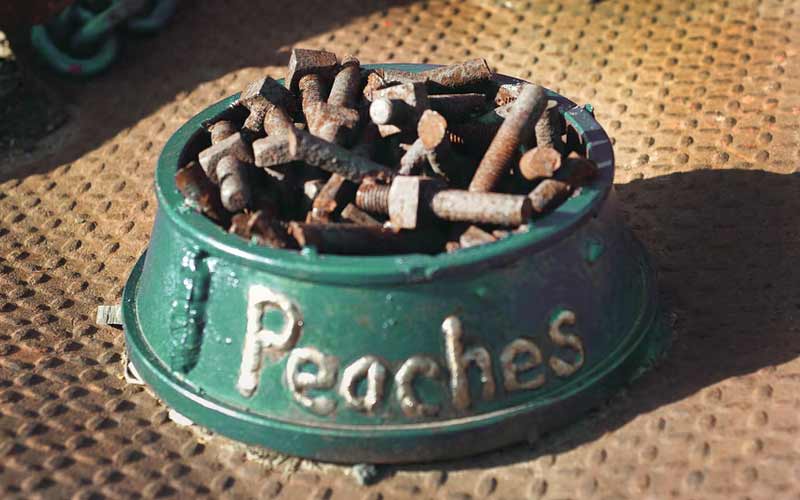
Dogs can learn that the only place they accept food is out of their own food bowl. If that food bowl is not left in an outside dog run, they should not eat any food left in a run or a backyard.
The initial concept is the same. Food is left in the front or backyard in a dog bowl. The dog is walked on leash. Get downwind of the food bowl and watch for when the dog gets an odor. As he approaches the bowl, give a firm "NO". If need be, give a leash correction. The level of correction or tone of the voice needs to be firm and not MEAN. We don't want to kill the temperament of our dog here.
It's also important to vary the type of treats and the location. Use table scraps, steak bones, anything you can think of. You want to include food dipped in anti-freeze. Allowing dogs to drink antifreeze is a common way to kill a dog. It's a terrible death. A strong word of caution here, when you use the antifreeze, it is absolutely critical that you pick up every piece of food that was dipped in it after you are done training. If you forget a piece, you run the risk of poisoning a neighbor's pet that comes along and eats the food. The purpose of using it in training is to teach the dog that this is a scent that they are supposed to stay away from.
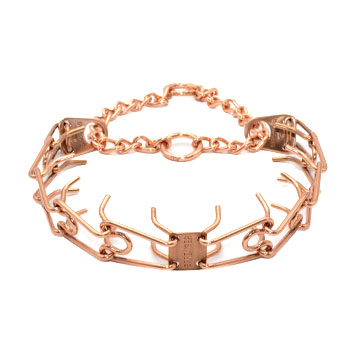
This work in the yard can go on for several days. We can put several bowls of food out around the yard or even down the block where we are going to take a walk. The dog is never off-leash during this training. If a prong collar is needed, then use it. If you are not familiar with the proper use of a prong collar, refer to my training video Basic Dog Obedience. As the dog gains experience, we want to see him make a definite decision to leave the bowl alone. When we see this, it's always followed by a lot of praise. I would not give a food reward for proper behavior. The key here is for the handler to develop some skill at having enough patience to allow the dog to acquire odor and have enough time to make up his mind to leave the food alone. There is a fine line between giving a correction and allowing the dog to show you that he is learning and will walk away on his own.
When we see the dog leaving the bowls of food, it's time to eliminate the bowl and just leave food in the yard or on the street. You will find that this step is going to require additional training. Again, it's done on leash. The dog should pick it up pretty fast. You should be able to test the dog in your yard, while on a walk, down in the park. It's ideal that you practice this everywhere you normally take the dog. It is not a difficult concept that the only place he eats is at home, in the house, or in his pen (although if someone is bent on killing your dog you will have to take this into consideration).
When a dog is doing a good job of ignoring the food tossed in the yard, then it's time to start your proofing. Here, you should use an electric collar. For non-professional dog trainers, I recommend my Remote Collar for the Family Pet DVD. Here the dog can be allowed to be off-leash. Initially, you can be in the yard with the dog. If it goes near the food and you feel he is going to go to it, give the dog stimulation without any verbal command. We are doing two things here, eliminating the leash and eliminating the voice command "NO" (you will not always be in a position to warn your dog to not take food so it's going to have to learn to not do this on his own). After the stimulation, you can praise the dog when he moves back away from the meat.
It should take very little work at this level of training for the dog to be reminded that it's not supposed to be going near this temptation. When you are comfortable, then it's time to let the dog out on his own and you stay in the house. Make sure the collar is going to work from where you are hiding. Have someone take the collar out and put the test light on it so you are 100% sure that the dog will be stimulated at the proper time.
If by chance, your timing is off or something happens and a dog gets a piece of meat before you can stop him, then you need to back up your training. By this, I mean put him back on leash, put a prong collar on him, and put a really tasty piece of meat out in the exact same spot he snatched from. This time, when he even acts like he wants to make a move on the meat, he gets a correction.
When I have a dog that will leave food left in the yard, I will start to work with the dog being outside, tied to a post, and having a stranger come up and toss food to him (similar to what is done in the KNPV). You can get a lot of ideas on what to do from Bob's article.
When a dog will leave food that is tossed to him while he is tied to a post, then it's time to allow him to be loose in his yard or kennel and have meat tossed over the fence when you are not outside with him. Again, he will have the collar on and we will stimulate him if need be.
If you feel that someone is trying to poison your dog, and you find food that has been left for him, pick it up in a zip lock bag and make sure the police get it. They will be able to have it tested for poison. If you are not satisfied with efforts by the police, you may want to get the local District Attorney involved or the news media.


Most Popular Articles
-
01
-
02
-
03
-
04
-
05
Related Products
-
$63.06 - $82.62
$53.99 - $68.99 -
 $40.00


Ask Leerburg.