



Frustration and Resource Guarding in the Food-Trained Dog


Introduction
Frustration and Resource Guarding in the Food-Trained Dog
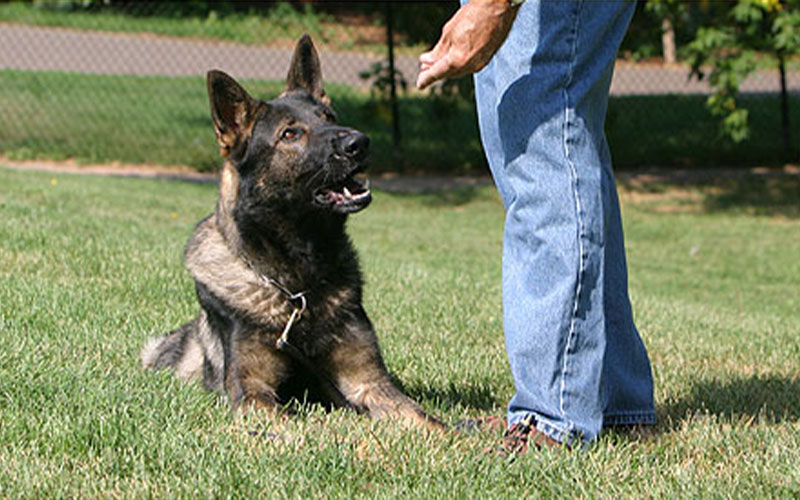
A dog that barks and snaps when a treat doesn't come isn't "spoiled" or "dominant." He is frustrated, and the fix is to build his tolerance before taking rewards away, not to take them away faster.
This case comes up often. A dog learns well with food, the owner starts fading treats, and even one missed reward sets off barking and snapping. Often the same dog also guards food, chews, or toys.
This article has two audiences. Owners will find what's happening and what to do now. Trainers and behavior consultants will find how to assess the case, keep it safe, and handle the harder conversations, including clients who want obedience without rewards and dogs who may not suit their home.
Understanding the Dog
The snapping is frustration: the dog expected a reward, didn't get it, and has few skills for coping with that.
- Continuous reinforcement sets the expectation. A dog rewarded every time learns that food always follows the behavior. When it stops, the rules seem to have changed without warning.
- Extinction bursts. When a reliable reward stops, behavior often gets louder and pushier before it fades. For a dog with poor coping skills, that burst can include barking, grabbing, and snapping.
- Bribes vs. rewards. If food is visible before the cue, in a hand or a pocket, the dog learns "no visible treat, no deal." The food has become a precondition, not a payoff.
- Low frustration tolerance. Some dogs simply cope poorly with delay or denial. This is partly temperament, and it can be trained, but slowly.
- The link to resource guarding. Guarding and reward frustration share a theme: the dog is anxious about losing access to something valuable. A dog who does both often has an underlying anxiety or impulse-control problem.
- Pain and medical factors. Dental pain, GI issues, joint pain, and thyroid problems all lower a dog's threshold. Any aggression case, especially one that is new or worsening, needs a vet exam.
The practical takeaway: Every snap is practice. The more often the dog rehearses it, the more likely he is to escalate to a bite.
For Owners: What to Do Now
Keep Rewarding, Keep Everyone Safe, Build Coping Skills
Keep rewarding him, keep everyone safe, and build his coping skills before you fade treats again.
Safety and Management
- Feed him in a crate or closed room, and leave him alone while he eats.
- Give high-value chews only when he is separated from people.
- Keep treats in a pouch or on a counter, never visible in your hand.
- Don't reach toward him when he has food, a chew, or a toy he guards.
- Keep children away from him around food and valued items, always.
- If he starts barking, staring, or grabbing during training, end the session calmly and walk away. Don't scold him, and don't give the treat to stop the behavior.
Keep Rewarding, But Change How
Pausing the fade is not the same as stopping training. He still earns something every time.
- Swap the reward, don't remove it. Rotate food with life rewards: a toy, praise, a sniff break, the door opening, dinner.
- Chain behaviors. Ask for sit then down, then reward. It feels like a sequence, not a denial.
- Lower the value, not the frequency. Use kibble for easy, known cues and better treats for hard ones. If you're already using kibble, often the lowest-value food a food-motivated dog will work for, lower the value in other ways: train with his measured daily ration, give one piece rather than a handful, deliver it calmly at his feet rather than tossing it, and use life rewards ("sit," then the door opens). If he snaps even over a missed piece of kibble, the issue isn't reward value; it's frustration tolerance.
- Use an "all done" cue. Say it, show empty hands, and walk away. Predictable endings reduce frustration.
Build Impulse Control and Frustration Tolerance
This is the core of the plan: rewards can only be faded once the dog can cope with waiting and with "not right now." In a guarding dog, the exercises themselves can trigger aggression, so how they're run matters as much as which ones.
Ground rules for a guarding dog
- The owner runs sessions, with food in a pouch and the dog behind a barrier or on leash if there's any risk of contact.
- Stay below threshold. Stiffening, freezing, a hard stare, or faster eating means the step is too hard. Go back to the last easy step, not forward.
- Keep sessions to 2 to 5 minutes, and end while he's still succeeding.
- Never take food away once it's been given. The answer to waiting or leaving something is always a reward from you, never losing what he had.
- Start with food and items he doesn't guard, in a quiet room. Items he does guard stay with the approach-and-toss protocol until that is well along.
- Reward calm, not just compliance. A dog who sits while vibrating with tension hasn't learned the skill yet.
A progression of exercises
Work through these roughly in order, moving on only when he's relaxed at the current level.
-
Closed-fist waitHold low-value food in a closed fist at his nose level. The instant he backs off or looks away, mark and reward from the other hand. He learns that backing off makes food come.
-
Delayed rewardAfter a known cue, pause half a second before delivering the reward. Stretch the delay a fraction at a time, up to several seconds, only while he stays calm.
-
Food on the floorPlace a piece of kibble on the floor with your hand ready to cover it. Reward from your other hand when he waits. Build distance and duration slowly, and use food he has never guarded.
-
Wait at the bowlLower an empty or kibble-only bowl; if he moves toward it, raise it calmly; when he waits, release him to eat and walk away. Skip this step if he guards his bowl, until the guarding protocol has made bowl approaches comfortable.
-
Doors and thresholdsHe waits at doors, the car, and the gate until released. Life rewards like going outside are powerful here and involve no food at all.
-
Mat settle with fading rewardsReward him for lying calmly on a mat, then slowly lengthen the gaps between rewards. This builds relaxation and is one of the best ways to practice reward delays safely.
-
Arousal on, arousal offPlay briefly with a toy he doesn't guard, pause, and reward the moment he settles. Short cycles teach him to calm down after excitement.
-
Self-paced enrichmentSnuffle mats, puzzle feeders, and lick mats teach patient work for food. Give these in his own space, away from people.
Signs of progress
- He recovers faster after a delayed or missed reward
- He offers calm behaviors like sitting or lying down without being asked
- Barking is shorter and less intense, and his body stays softer
- He tolerates longer gaps between rewards without escalating
Important note: Keep noting where his threshold sits in the session log. If he can't stay calm even at the easiest step, that's a sign training alone isn't enough, and a veterinary behaviorist should assess whether anxiety or medication is part of the picture.
The Guarding Protocol
-
Approach and tossWhile he eats, stand where he notices you but stays relaxed. Toss something better than what he has, then leave. Move closer only when he looks up happily as you approach.
-
TradesWith low-value items, offer a great treat, say "trade," reward the drop, and usually give the item back.
-
EmergenciesIf he has something dangerous, don't chase. Make an exciting fuss elsewhere, then pick up the item once he leaves it.
A Roadmap for Fading Treats
Move to the next stage only when he is calm at the current one. Progress, not the calendar, sets the pace.
- 1Reward every correct response while frustration-tolerance work builds his coping skills.
- 2Mix in life rewards and chained behaviors so food is one of several payoffs.
- 3Introduce variable rewards, only once he stays calm through delays of a few seconds.
- 4Maintenance: occasional rewards, still generous for hard behaviors.
Keep a simple log of each session: cue, reward, and his response. It shows progress and flags setbacks early.
For Trainers and Consultants: Assessing the Case
Verify Before You Build the Plan
Treat the owner's account as a starting point, not the full picture, and verify before you build the plan.
Owners rarely lie, but they often underreport. They miss early warning signals, soften the severity, or leave out incidents they feel embarrassed about. "Snapping" can mean anything from an air snap to a bite that bruised.
Getting a Fuller Picture
- Ask for video. A session where a reward is withheld, filmed from a safe distance, plus everyday moments around food and chews. Watch for stiffening, freezing, hard stares, and lip lifts before the snap.
- Take a structured bite history. Use the Dunbar bite scale or similar. For each incident: who, where, what happened just before, and whether teeth made contact.
- Ask specific questions. "Has he ever made contact with teeth?" gets more honest answers than "Is he aggressive?"
- Get vet records. Confirm a recent full exam, including dental and pain assessment.
- Observe directly through a home visit or virtual session, even if only from behind a barrier.
Scope, Safety, and Documentation
- Stay in scope. If anxiety or impulse control looks involved, refer to the vet or a veterinary behaviorist (DACVB) and collaborate. Medication can lower the dog's baseline enough for training to work.
- Let the owner handle the dog and the food. Coach from a safe position rather than being the one who delivers or withholds rewards.
- Document everything. Record the history as given, your recommendations, and the management rules, and give the owner a written copy.
- Check your coverage. Make sure your service agreement and liability insurance cover aggression cases.
When the Client Wants Obedience Without Rewards
Show Them the Endpoint
Clients who keep skipping ahead usually can't see an endpoint, so show them one.
To many owners, "keep rewarding" sounds like "bribe him forever." They want a dog who behaves on command, and that is a fair goal. The job is to show how the plan gets there.
- Reframe the treats. Right now they aren't paying for the behavior; they're managing the dog's frustration. Pulling them isn't a training step, it's a trigger. A paycheck analogy helps: nobody works for free while learning the job, and a sudden pay cut makes people angry, not reliable.
- Show the roadmap. Walk them through the fading stages and the criteria for moving on. Owners follow plans better when they can see the finish line.
- Make it trackable. A session log turns "we tried" into data and makes progress visible, which keeps clients motivated.
- Keep homework small. Two or three exercises done consistently beat ten done sporadically.
- Ask what "behave on command" means to them. There is often a specific pressure behind it: a partner who dislikes treats, children giving cues, guests coming. Solving that can make the rest of the plan easier to accept.
- Name the risk plainly, in writing. Withholding rewards before the dog can cope will likely escalate the snapping, and a bite changes everything for the dog.
If a client still won't follow the plan after all this, treat it as information. It bears directly on whether the home can meet the dog's needs.
When Management Becomes the Main Plan
From Changing the Behavior to Living Safely With It
Management is the foundation from day one, and training rarely stops completely. What changes is the goal: from changing the behavior to maintaining what the dog can do while keeping everyone safe.
Signs It's Time to Shift
- A real plateau. Progress has stalled for roughly 3 to 6 months despite consistent, correctly run training. Check the logs and video first, to tell a dog's ceiling from a plan that wasn't followed.
- Medical and drug options have been tried. A vet has ruled out pain, and a veterinary behaviorist has assessed the dog and, where appropriate, trialed medication at an adequate dose and duration (often 6 to 8 weeks or more before judging). Many "plateaued" dogs never had this step.
- The training itself causes incidents. If even the easiest steps regularly push him over threshold, the exercises are rehearsing aggression, and the risk outweighs the benefit.
- Training distresses the dog. If sessions leave him anxious or shut down rather than engaged, pushing further isn't in his interest.
- The household can't sustain it. Some owners can manage reliably but can't run a structured program for months. A plan they can follow beats a better one they won't.
What Good Management Looks Like
- Permanent household rules: separate feeding, guarded items out of circulation, no children around food or chews, and barriers where needed
- A predictable daily routine, which reduces the frustration behind the behavior
- Maintenance training at a comfortable level: known cues, trades with non-guarded items, mat settles
- Enrichment and exercise delivered in ways that don't trigger guarding
- Muzzle training for vet visits and unavoidable risky situations
Checking Quality of Life
Management works when the dog can still live a full, happy life within its limits. It becomes a concern when he spends most of his time isolated or confined, stays anxious even with management in place, or incidents keep happening despite the household following the rules. At that point the conversation moves to a behaviorist's reassessment, a better-suited home, or in rare severe cases, behavioral euthanasia.
For consultants: A dog hasn't had a fair trial until the program has been followed as designed and a vet or behaviorist has been involved. That's also a useful message for clients who want to conclude "he can't be trained" too early.
When the Dog May Not Be the Right Fit
The Honest Assessment
Sometimes the honest assessment is that this home can't safely meet this dog's needs, and consultants are often the first to see it.
Signs the Fit May Be Wrong
- Children live in or regularly visit the home
- The owners can't or won't maintain management and training consistently
- The household is busy or chaotic, and the dog needs predictability
- The owners are afraid of the dog
- The bite history includes contact bites, especially if they are more frequent or more intense
One of these may be workable. Several together usually mean the plan is unlikely to hold.
Raising It with the Client
- Lead with the dog's welfare. "He needs a home that can give him X, and I'm not sure that's realistic here" lands better than "You can't handle him."
- Offer options, not a verdict: a trial period with clear checkpoints, a behaviorist evaluation for an independent opinion, or rehoming.
- Expect grief and guilt. Many owners react defensively at first. Giving them permission to consider it can also be a relief.
Rehoming Responsibly
- If the dog came from a breeder or rescue, check for a return clause and call them first.
- Any new home must get full disclosure of the bite and guarding history.
- The best fit is usually an experienced, adult-only home.
- Behavioral euthanasia is a last resort for dogs who are truly dangerous and can't live safely. It should only be considered with a veterinary behaviorist, never alone or in the heat of the moment.
Red Flags and Closing Thoughts
Refer to a veterinary behaviorist (DACVB) or certified behavior consultant (IAABC, CAAB) promptly if any of these apply:
- Bites that break skin, or bites with little or no warning
- Children in the home
- Guarding that extends to people, furniture, or doorways
- Sudden onset or worsening behavior, which also calls for a vet exam
- Progress that stalls despite consistent work
- An owner who can't or won't follow the management rules
Most dogs like this can live safe, good lives with the right plan: generous rewards, patient work on frustration tolerance, solid management, and medical support where needed. The owner's job is consistency. The consultant's job is to see the full picture, keep everyone safe, and say the hard things kindly when the plan or the home isn't working.
Our advice is for educational purposes only. We have not evaluated your dog in person. Dog aggression and behavior problems can be dangerous and require assessment by a qualified trainer, behavior professional, or veterinarian. You are responsible for safely managing your dog and for any decisions you make based on our guidance. Leerburg assumes no liability for injuries, damages, or other outcomes resulting from the use or misuse of our advice.


Most Popular Articles
-
01
-
02
-
03
-
04
-
05
Related Products
-
 $65.00
 -
$16.99
$6.99 - $16.99 -
$219.99 - $349.99
$199.99 - $309.99 -

$65.00$19.99

Ask Leerburg.