



Foods That Are Toxic to Dogs


Introduction
Common Human Foods That Can Make Your Dog Sick, or Worse
Some of the foods we eat every day can be toxic, or even fatal, to dogs. Many of them are hiding inside other products: sugar-free gum, peanut butter, baby food, baked goods, and edibles. Always check the ingredients list before you share anything with your dog.
Below is a list of foods that are dangerous to dogs, why they're dangerous, and how serious each one is. Severity also depends on how much your dog ate and how big your dog is, so treat any exposure to a High item as an emergency.
Important note: This article is for general education and is not a substitute for veterinary advice. If you think your dog has eaten something toxic, call your vet or an animal poison control center right away.
The Most Dangerous Foods
If You Only Remember Five
- Xylitol: A sugar substitute found in sugar-free gum, mints, some peanut butters, and toothpaste. Even a small amount can crash a dog's blood sugar within minutes and cause liver failure.
- Grapes, raisins, currants, and sultanas: Can cause sudden kidney failure. No amount is known to be safe.
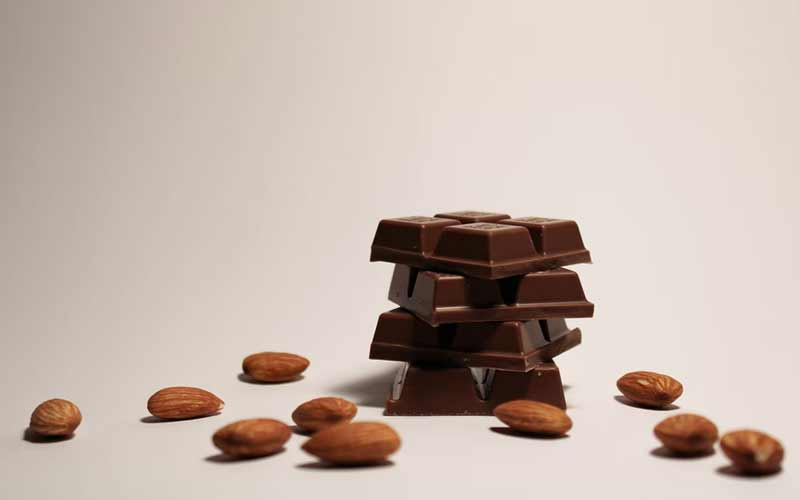
- Chocolate and caffeine: Dark and baker's chocolate are the most dangerous. They affect the heart and nervous system.
- Onions, garlic, and the rest of the onion family: Destroy red blood cells. Powdered forms are the most concentrated.
- Alcohol and raw yeast dough: Dough keeps rising in the stomach and produces alcohol as it ferments.
Full List of Toxic & Dangerous Foods
Why Each One Is a Problem
Some of these foods are poisonous. Others aren't toxic but can still cause a choking hazard, an intestinal blockage, or pancreatitis.
| Food | Why It's Dangerous | Severity |
|---|---|---|
| Alcohol | Causes dangerous drops in blood sugar, blood pressure, and body temperature. Can lead to seizures, coma, and death. | High |
| Avocado | Dogs are fairly resistant to persin, the toxin in avocado, but the fruit can still cause vomiting and diarrhea. The high fat can trigger pancreatitis, and the pit can cause a blockage. (Avocado is much more dangerous to birds and horses.) | Low |
| Baby Food | Often contains onion or garlic powder, which damages red blood cells. | Moderate |
| Broccoli (Large Amounts) | Contains isothiocyanates, which can irritate the stomach and intestines when a dog eats a lot of it. Small amounts are generally fine. | Low |
| Cat Food | Too high in protein and fat for dogs. Can cause vomiting, diarrhea, and pancreatitis. | Low |
| Chocolate, Coffee, Tea & Caffeine | Theobromine and caffeine overstimulate the heart and nervous system, causing restlessness, a racing heart, tremors, and seizures. The darker the chocolate, the more dangerous it is. Watch for coffee grounds, tea bags, energy drinks, and caffeine pills. | High |
| Citrus Peels, Stems & Oil Extracts | Citric acid and essential oils in the peel, stems, and leaves can cause vomiting and diarrhea. Concentrated citrus oils are the biggest concern. | Low |
| Cooked Bones | Cooked bones splinter when chewed and can puncture the mouth, throat, or intestines. Small, brittle poultry bones are the worst. | Moderate |
| Corn Cobs | Not toxic, but a common cause of intestinal blockages that need surgery. | Moderate |
| Dairy | Many dogs can't digest lactose. Milk, cheese, and ice cream can cause gas, vomiting, and diarrhea. | Low |
| Fat Trimmings | High fat, especially cooked fat, can trigger pancreatitis. | Moderate |
| Fruit Pits & Seeds (apple, apricot, cherry, peach, pear, plum, persimmon) | Most of these seeds and pits contain cyanogenic glycosides, which release cyanide when chewed. Whole pits can cause choking or an intestinal blockage, and persimmon seeds can inflame the small intestine. | Moderate |
| Grapes, Raisins, Currants & Sultanas | Can cause sudden kidney failure. Tartaric acid is the suspected toxin, so cream of tartar and homemade play dough are also a risk. No amount is known to be safe. | High |
| Hops | Used in home beer brewing. Causes panting, a racing heart, and a dangerously high body temperature that can lead to seizures and death. Greyhounds and retrievers may be especially sensitive. | High |
| Human Vitamins with Iron | Iron damages the lining of the digestive tract and can be toxic to the liver and kidneys. | High |
| Liver (Large Amounts) | Eating large amounts regularly can cause vitamin A toxicity, which affects the bones and joints. | Low |
| Macadamia Nuts | An unknown toxin causes weakness (especially in the back legs), tremors, vomiting, and fever. Symptoms usually pass within a day or two with vet care. | Moderate |
| Marijuana & THC Edibles | Causes stumbling, lethargy, dribbling urine, and changes in heart rate. Edibles often also contain chocolate or xylitol, which makes them more dangerous. | Moderate |
| Moldy or Spoiled Food | Moldy bread, nuts, dairy, and compost can contain mycotoxins that cause tremors and seizures, along with vomiting and diarrhea. | High |
| Mustard Seeds | Irritate the stomach and intestines, causing vomiting and diarrhea. | Low |
| Nutmeg | Contains myristicin. In large amounts it can cause disorientation, a racing heart, tremors, and seizures. | Moderate |
| Nuts (Walnuts, Pecans, Almonds) | Large nuts are a choking and blockage hazard, especially for small dogs, and their high fat can cause pancreatitis. Black walnuts and moldy walnuts can cause tremors and seizures. | Moderate |
| Onions, Garlic, Chives, Leeks & Shallots | Everything in the onion family damages red blood cells and causes anemia. Garlic is about five times as potent as onion. Raw, cooked, and powdered forms are all toxic, and symptoms may not appear for several days. | High |
| Potatoes & Tomatoes (Green Parts) | Leaves, stems, unripe tomatoes, and green or raw potatoes contain solanine, which can cause vomiting, diarrhea, and lethargy. Ripe tomatoes and plain cooked potatoes are fine. | Moderate |
| Raw Salmon & Trout | Raw fish from Pacific Northwest rivers can carry a parasite that causes salmon poisoning disease, which can be fatal if untreated. Cooking kills the parasite. | High |
| Rhubarb Leaves | Contain oxalates, which can cause drooling and vomiting and, in larger amounts, kidney damage. | Moderate |
| Salt | Large amounts cause excessive thirst and urination, vomiting, tremors, and seizures. Common sources include homemade play dough, salt-dough ornaments, and seawater. | High |
| Tobacco & Nicotine | Cigarettes, vape liquid, and nicotine gum affect the digestive and nervous systems. Can cause a racing heart, collapse, coma, and death. Nicotine gum may also contain xylitol. | High |
| Wild Mushrooms | Some wild mushrooms cause liver failure, seizures, or death. Plain store-bought mushrooms are generally safe, but treat any wild mushroom as toxic. | High |
| Xylitol (Birch Sugar, Wood Sugar, Xylite) | Causes a rapid, dangerous drop in blood sugar and can cause liver failure. Found in sugar-free gum and mints, some peanut butters, toothpaste, baked goods, and some medicines and vitamins. | High |
| Yeast Dough & Baking Mixes | Raw dough keeps rising in the warm stomach, causing painful bloating that can twist or rupture the stomach. As it ferments, it also produces alcohol. | High |
Watch: How to Protect Your Dog From Dangerous Toxins
Keeping Toxins Out of Reach
Knowing which foods are dangerous is only half the job. The other half is making sure your dog can't get to them in the first place.
Learn how to keep your dog safe from dangerous toxins.
Watch: How to Protect Your Dog From Dangerous Toxins »Signs of Poisoning
What to Watch For
Symptoms depend on what your dog ate, but common signs include:
- Vomiting or diarrhea
- Drooling
- Lethargy or weakness
- Stumbling or wobbling
- Restlessness or a racing heart
- Tremors or seizures
- Pale gums
- Excessive thirst or urination
- Collapse
Don't wait for symptoms to appear. Some toxins, such as grapes and onions, can take hours or even days to cause visible signs, and by then the damage may already be done.
What to Do If Your Dog Eats Something Toxic
Every Second Counts
- 1Get your dog away from the food. Remove anything that's left so your dog can't eat more.
- 2Call right away. Call your vet, an emergency animal clinic, or an animal poison control center. Don't wait to see whether symptoms develop.
- 3Don't try to make your dog vomit unless a vet tells you to. Vomiting can make some poisonings worse, and it can be dangerous with raw dough and other foods.
- 4Have the details ready. Tell them what your dog ate, about how much, when, and how much your dog weighs. Keep the packaging or ingredients label.
- 5Follow their instructions. If they tell you to come in, bring the packaging with you.
ASPCA Animal Poison Control Center
(888) 426-4435
Pet Poison Helpline
(855) 764-7661
Both are available 24/7. A consultation fee may apply.
Further Reading
Last reviewed: October 2026


Most Popular Articles
-
01
-
02
-
03
-
04
-
05
Related Products
-
 $65.00
-
$16.99
$6.99 - $16.99 -
$219.99 - $349.99
$199.99 - $309.99 -

$65.00$19.99


Ask Leerburg.